Europe's electrification target meets the grid: why bridging is engineering
July 2026 · 3 min read
Two headlines that look like a contradiction
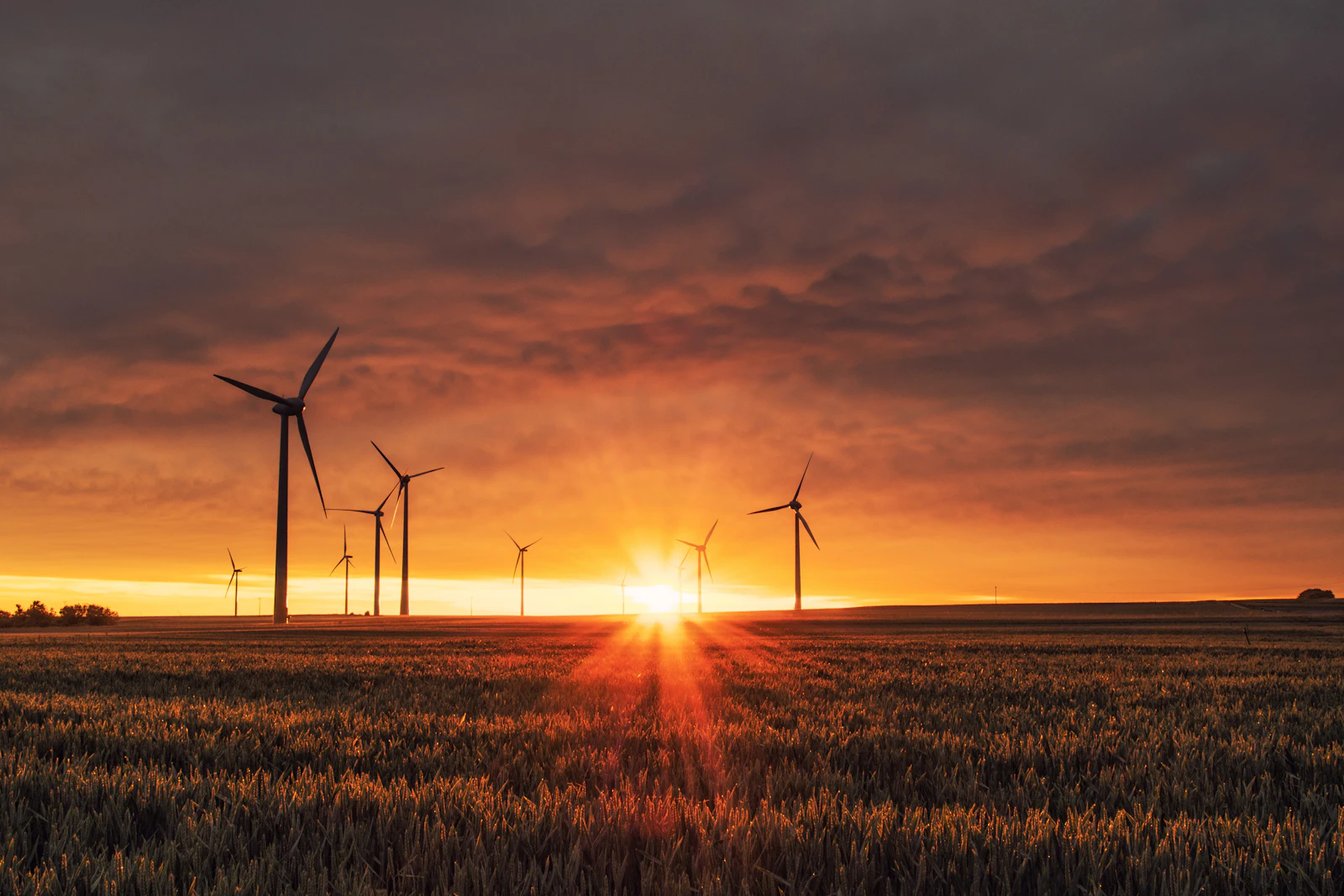
Read the news on any given week and you get two stories that seem to cancel each other out. In Brussels, the European Commission sets out its ambition to make Europe the world's first electro-continent, targeting 46% electrification by 2040 as part of its Electrification Action Plan, with a plan to bring electricity costs down and speed the transition along. In the Netherlands, at the same moment, grid operators are installing gas generator sets to keep regional grids stable, and developers are installing their own just to earn a grid connection at all.
More clean electricity as the goal, more gas engines on the ground as the reality. It looks like a contradiction. It is not. It is a transition, and understanding why is the difference between despairing at the headlines and doing something useful about them.
The constraint is transport, not generation
The ambition and the gensets are not in conflict, because they are about two different things. The 46% target is about generation and demand: how much of Europe's energy runs on electrons instead of molecules, and how cleanly those electrons are made. On that front the direction is set and the momentum is real.
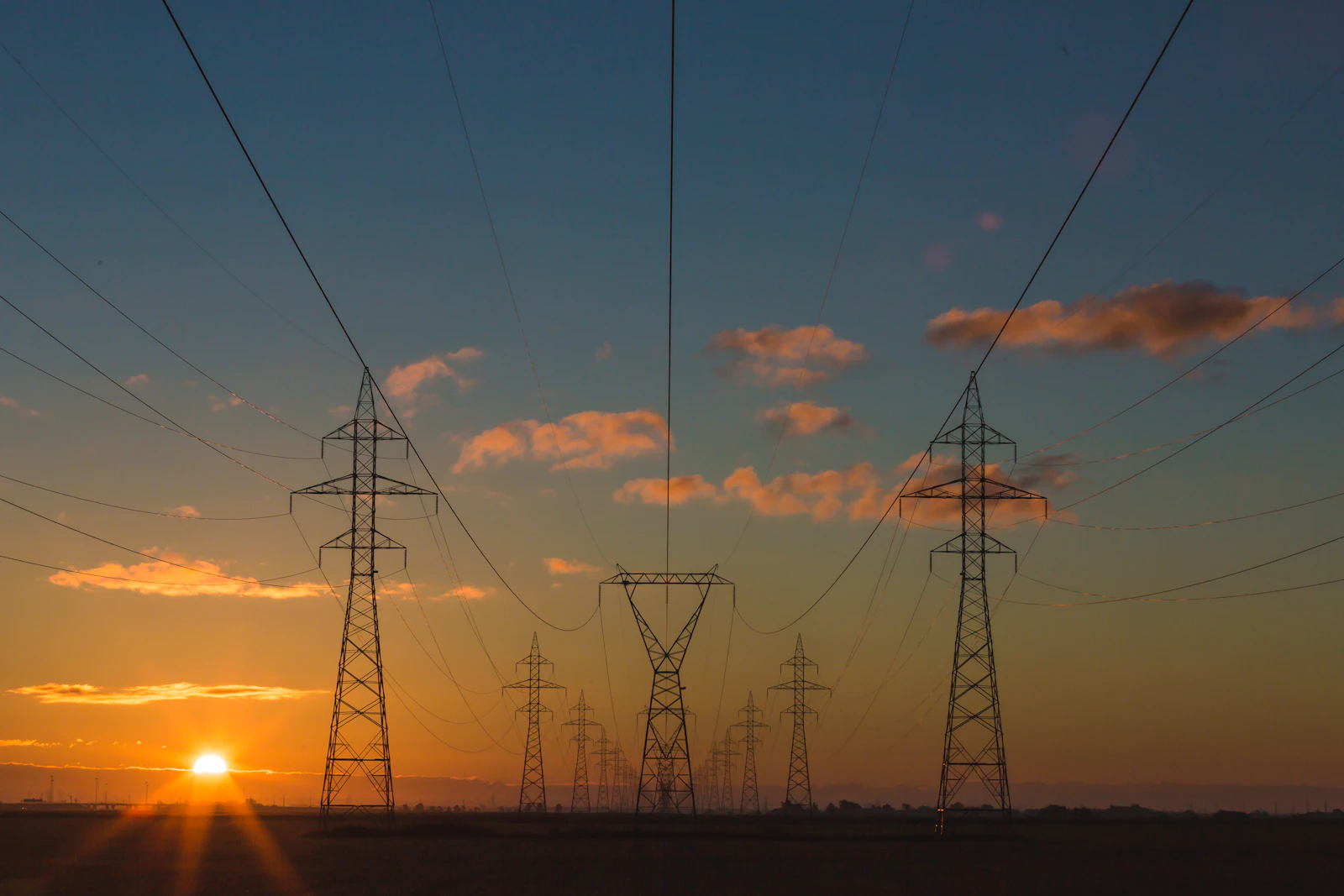
The gensets are about transport capacity: the wires, transformers and substations that have to move all those new electrons from where they are generated to where they are consumed, at the exact moment of demand. And that network was never built for the speed and shape of today's electrification. Reinforcing it takes years of permitting, civil works and equipment lead times. Demand is not waiting.
So for the next several years we live in the gap between the two. Clean generation is available, ambition is set, but the grid in between is the bottleneck. That gap does not close by wishing for more copper. It is bridged, project by project, with engineering.
Bridging solutions are engineering work
This is the point we keep coming back to, because it is where the real leverage is. The bridge across the transition, the set of things that let a project electrify now on a grid that is not ready yet, is not a policy instrument or a financing trick. It is engineering. Concretely, it is work like grid integration, connecting new load and new generation to the medium- and high-voltage network correctly, safely and in a way the grid operator will accept; protection, the schemes and settings that keep people and assets safe and keep faults from cascading, especially as more sources and more power electronics sit on the same network; dispatch interfaces, the telecontrol links that let grid operators call on flexibility, storage or on-site generation when the network needs it; and SCADA and EMS, the monitoring, control and energy-management layer that lets a site actually run within its constraints, shape its own peaks, and prove it is behaving as agreed.
Every one of these is an electrical-engineering and instrumentation-and-automation discipline. Which is to say: the transition, at the level where it is actually built, is E&I&A work. That is exactly the scope we deliver at APARA.
From ambition to a working site
For an operator, developer or municipality, the practical translation is simple. The electrification you are planning is achievable, but on today's grid it will not happen by connecting more load and hoping. It happens by engineering the bridge: understanding how your installation behaves in time, integrating it into a constrained grid on terms the operator accepts, protecting it properly, and giving it the control and energy-management intelligence to live within, and make the most of, the capacity that is actually available.
Do that well and the apparent contradiction dissolves. You electrify, the grid stays stable, and you are not waiting on a reinforcement date years out. The ambition in Brussels and the constraint on the ground meet in one place: good engineering.
Let's switch it on, and let's connect it too. Afspraak is afspraak. A deal is a deal. We deliver what we promise.
Share
Related insights
July 2026
Grid congestion now reaches small consumers: what 1 July changes
From 1 July, small consumers in the Netherlands join the same national connection waiting list as large consumers. What the new ACM prioritisation means, and why disciplined electrical engineering decides who still gets connected.
Read more
April 2026
Dutch grid congestion in 2026: what it means for industrial connection projects
Where congestion bites hardest, what TenneT and the regional DSOs are signalling, and how industrial asset owners should reshape their connection strategy.
Read more
April 2026
ACM tariff updates and the impact on BESS business cases
How the latest ACM tariff direction reshapes the revenue stack for grid-connected battery storage in the Netherlands.
Read more